Investing v/s Trading


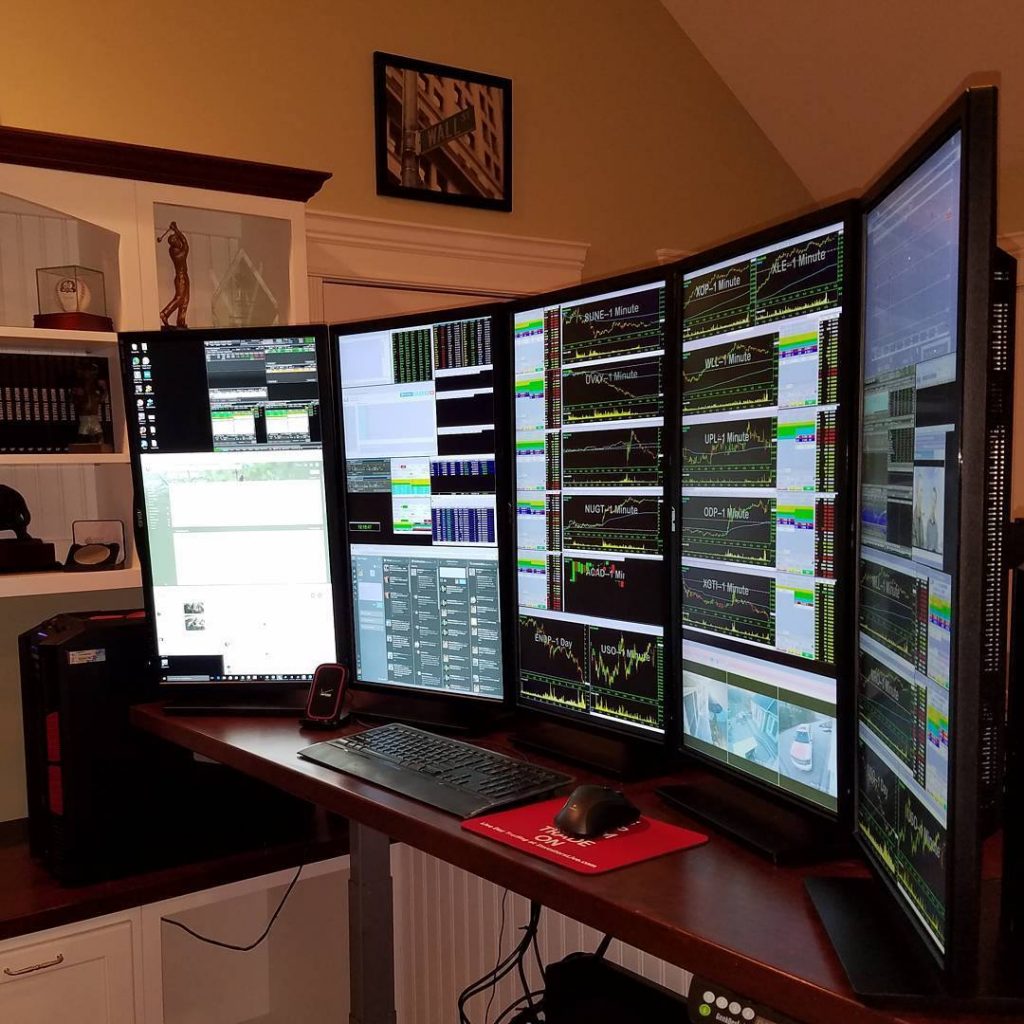
Trading v/s Investing: The Money Game of Patience vs Speed
Imagine the stock market as a vast ocean 🌊.
Some people ride the waves every single day, jumping from one swell to another. Others set sail with a long-term destination in mind, calmly adjusting their course as time passes.
Both are in the same ocean.
But their mindset, strategy, and journey are completely different.
Welcome to the timeless debate: Trading v/s Investing.
What Is Trading? ⚡
Trading is the art of short-term profit-making. Traders aim to capitalize on price movements that happen within minutes, hours, days, or weeks.
They don’t ask:
“Is this company great?”
They ask:
“Can I make money from this price movement?”
Key Characteristics of Trading
Short time horizon
Frequent buying & selling
Heavy use of charts and indicators
High emotional intensity
Requires strict discipline and risk control
Types of Trading
Intraday Trading – Buy & sell within the same day
Swing Trading – Hold for a few days or weeks
Scalping – Very small profits, very high frequency
Pros of Trading
✅ Quick results
✅ High learning curve (you learn fast)
✅ Capital can grow rapidly (if done right)
Cons of Trading
❌ Stressful and time-consuming
❌ Losses can happen quickly
❌ Not beginner-friendly without education
What Is Investing? 🌱
Investing is the discipline of long-term wealth creation. Investors buy businesses (stocks) believing they will grow over years or decades.
They ask:
“Will this company still be strong 10 years from now?”
Key Characteristics of Investing
Long time horizon
Focus on fundamentals (business, profits, growth)
Less frequent transactions
Power of compounding
Emotionally calmer approach
Types of Investing

Growth Investing – Betting on future expansion
Index Investing – Investing in the overall market
Dividend Investing – Focus on regular income
Pros of Investing
✅ Lower stress
✅ Suitable for most people
✅ Builds real wealth over time
✅ Less screen time required
Cons of Investing
❌ Results take time
❌ Requires patience
❌ Boring for thrill-seekers
Trading v/s Investing: Head-to-Head 🥊
| Aspect | Trading | Investing |
|---|---|---|
| Time Horizon | Short-term | Long-term |
| Focus | Price movement | Business value |
| Tools | Charts, indicators | Financial statements |
| Risk | High | Moderate |
| Emotion | Intense | Calm |
| Wealth Style | Income-oriented | Wealth-building |
The Psychology Difference 🧠
This is where most people fail.
Traders fight their emotions daily: fear, greed, revenge trading
Investors fight impatience: boredom, doubt, panic during crashes
Markets don’t just test your knowledge —
they test who you are.
Can You Do Both? 🤔
Yes — but not at the same time with the same money.
A smart approach:
🟢 80–90% in long-term investing
🔵 10–20% for trading (learning & experimentation)
This way, your future is safe while you sharpen your skills.
Which One Is Right for You?
Ask yourself honestly:
Do I enjoy fast decisions and stress? → Trading
Do I prefer steady growth and peace? → Investing
Do I want financial freedom long-term? → Investing (with patience)
Do I want skill-based income? → Trading (with discipline)
Final Thought 💡
Trading is like a sprint 🏃♂️
Investing is a marathon 🏃♀️
You don’t win a marathon by sprinting the first 100 meters.
And you don’t sprint by waiting patiently.
Choose your race wisely —
or learn how to run both, at the right time.
Comments
Post a Comment